By providing age-appropriate care and support for adolescent and young adult (AYA) cancer patients aged 15 to 39.
Jackie’s Story
The inspiration behind the Jackie Aziz AYA Program at Cedars
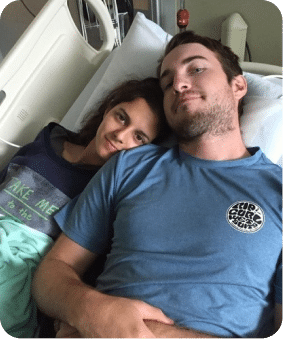
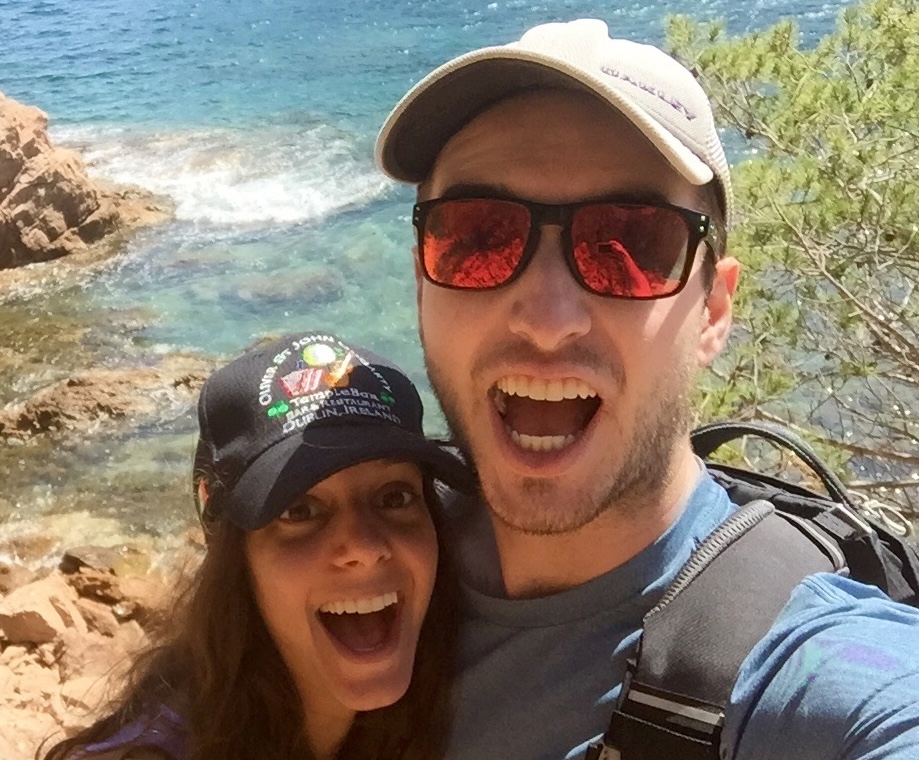
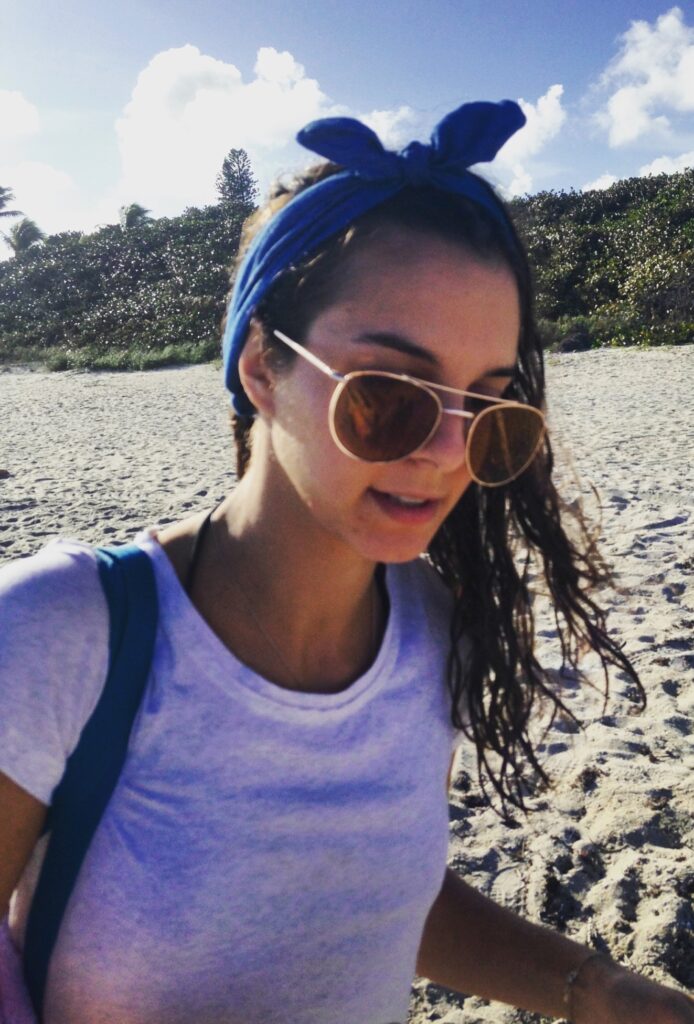
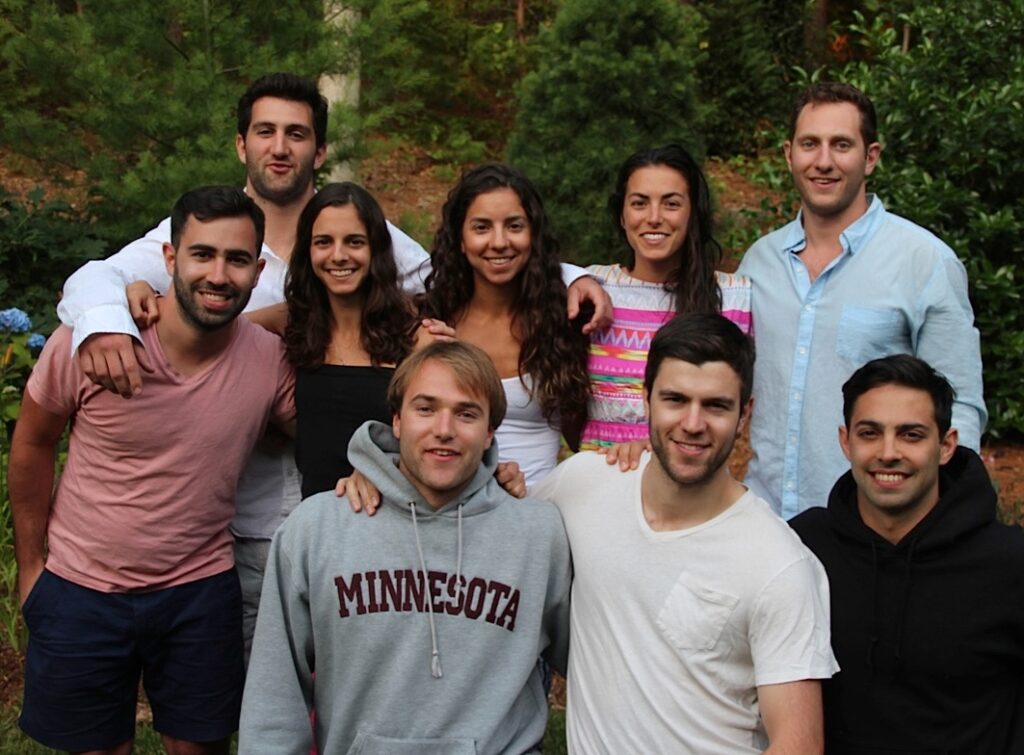
Jackie, or “Jax,” as we lovingly called her, was an authentic, compassionate, and deeply resilient young woman whose experience inspired the creation of the JAX AYA Program.
Diagnosed with cancer at 18, Jackie understood the unique challenges adolescents and young adults face navigating a system not designed specifically for their needs.
She had a remarkable ability to make people feel seen, understood, and supported, even during the most difficult moments of her own journey.
Effecting positive change is all I ever wanted to do
– JACKIE AZIZ
A Voice for Change
Through her cancer experience, Jackie recognized that young people often need more than treatment alone.
They need care that reflects their stage of life, support that addresses their unique challenges, and opportunities to connect with others who understand what they’re going through.
Her insights continue to shape the vision of JAX today.
Every young person supported through JAX carries forward the positive change Jackie hoped to create.
Together, we’re building a future where adolescents and young adults facing cancer receive the specialized care, support, connection, and opportunities they deserve.
Her Legacy
Jackie’s legacy lives on through a program dedicated to providing young people with specialized AYA-focused care, guidance, and meaningful support throughout their cancer experience.
By advancing research and increasing access to innovative care, JAX is also helping improve the future of cancer care for the next generation of adolescents and young adults.
Every young person supported through JAX carries forward the positive change Jackie hoped to create.
Together, we’re building a future where adolescents and young adults facing cancer receive the specialized care, support, connection, and opportunities they deserve.
Real Patient Stories
You know that really bad roommate?
The one who doesn’t help out, he leaves a mess; eats all the food, he’s loud, and rude to your friends.
That’s what having tumours feels like.
You’re both living in your body, but they invite their friends over and make it feel like it’s no longer your home. You are the awkward subletter, the tumour makes all the rules, and house decisions.
Jackie Aziz
Jaya
I am incredibly thankful for the JAX Jackie Aziz (AYA) Program for standing by me during my breast cancer journey. In one of the most difficult…
Being a teen/young adult is already a time in life filled with unknowns and fears, and, when you’re diagnosed with cancer, everything you think you have planned out gets…
Specialized care and support for adolescents and young adults
The JAX team is dedicated to helping adolescents and young adults navigate their cancer experience through specialized care, personalized support, research opportunities, and meaningful connection.
Ramy R. Saleh MD, MSc, FRCPC
JAX Research Lead
Leads AYA-focused research that advances care, improves outcomes, and enhances quality of life for young people affected by cancer.
Virginia Lee N, MSc(A), PhD
JAX Medical Lead
Provides clinical leadership and helps ensure adolescents and young adults receive high-quality, age-appropriate cancer care and support.
Niloofar Dehdari Ebrahimi, MD
JAX AYA Research Coordinator
Helps patients access and navigate clinical trials and AYA-focused research opportunities.